
Back-to-School Road Safety Tips for National Traffic Awareness Month
Lee Reed Insurance | Aug 11 2026 15:00
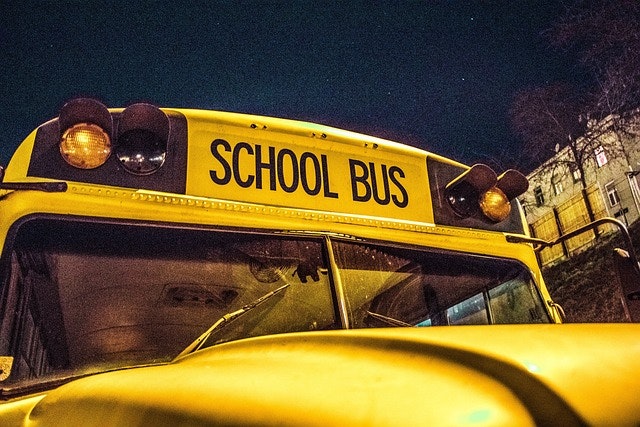
As families prepare for a new school year, traffic conditions shift quickly, especially in neighborhoods and around school zones. National Traffic Awareness Month in August is a timely reminder of how small adjustments in driving behavior can help keep children, parents, and commuters safe. With more buses on their routes, increased foot traffic, and young drivers returning to the roads, situational awareness becomes essential for everyone.
The start of the school year brings a noticeable rise in roadway activity. Drivers and families can better protect themselves and others by understanding these changes, staying alert, and practicing safe habits throughout daily routines.
Why Traffic Patterns Change During Back-to-School Season
Once summer ends, streets that were calm and lightly traveled become significantly busier. Morning and afternoon hours see spikes in activity as students walk, bike, or are driven to school. This mix of vehicles, pedestrians, and bikes increases the overall level of risk, particularly in school zones.
Drivers often face sudden stops, more crosswalk use, and tighter intersections near schools. Younger children may also be harder to predict in traffic situations, as they may misjudge distances or forget to look for cars. Understanding these seasonal shifts helps reduce preventable accidents and encourages safer interactions on the road.
Key School Bus Safety Reminders
School buses add an important layer of safety for students, but they also require patience and attention from other drivers. Maintaining a safe distance behind a bus gives drivers more time to respond when it slows or stops. The 10-foot area surrounding a bus is the most hazardous for children entering or exiting, making it critical not to follow too closely.
Children can appear suddenly from either side of the bus, especially when crossing. Staying alert, reducing speed, and preparing to stop when a bus extends its stop arm or uses flashing lights all contribute to preventing dangerous situations.
Sharing the Road With Walkers and Bicyclists
As students resume walking and biking to school, drivers must stay aware of their surroundings. Yielding at crosswalks and avoiding passing vehicles stopped for pedestrians are essential practices that keep walkers safe. Many children may not be tall enough to be easily seen, so drivers should approach crosswalks and intersections with extra caution.
Bicyclists, especially younger ones, may make sudden movements or ride into traffic unexpectedly. Drivers should slow down in areas with bike activity and give cyclists ample room. Even small actions, such as checking mirrors for bikes before opening a car door, help prevent accidents involving cyclists.
Best Practices for School Drop-Off and Pick-Up Zones
Drop-off and pick-up areas are some of the busiest spots during the school year. Following the procedures set by each school helps reduce congestion and lowers the chance of unsafe situations. When everyone uses the same pattern consistently, traffic flows more smoothly and predictably.
Stopping in unauthorized areas, cutting around other vehicles, or merging abruptly can increase risk for students and drivers alike. Taking a few additional minutes to follow the proper route helps ensure a safer experience for all families.
Teaching Children Foundational Safety Habits
While drivers shoulder much of the responsibility, educating children on safe behaviors is equally important. Young children benefit from supervision and repeated guidance, especially when navigating streets or school zones.
Simple habits—such as stopping to look both ways, listening for traffic, and using designated crosswalks—make a significant difference in their safety. Children who ride bikes or scooters should always wear helmets and protective gear, and limiting distractions like mobile devices helps them stay aware of their surroundings.
Building these habits early encourages safer choices as children grow older and begin traveling more independently.
Working Together for Safer Roads
Safety during the back-to-school season relies on shared responsibility. Drivers, families, and students all contribute to creating safer streets. Slowing down in school zones, giving extra attention to pedestrians, and staying mindful of traffic rules collectively help prevent accidents.
Even minor actions—such as double-checking for children before turning or reducing speed in neighborhoods—show a commitment to protecting those who are most vulnerable.
Preparing for a Smooth and Safe School Year
The return to school doesn’t have to bring additional risks. With increased awareness and thoughtful decision-making, families and drivers can navigate the season confidently. Understanding common hazards and committing to safe habits lays the groundwork for a safer year ahead.
If you have questions about traffic safety, liability concerns, or how to safeguard your loved ones, our team is here to help. Contact us for guidance and support as you prepare for a safe and successful school year.