Keeping Homes Safe While Traveling
Lee Reed Insurance | Nov 11 2026 14:00
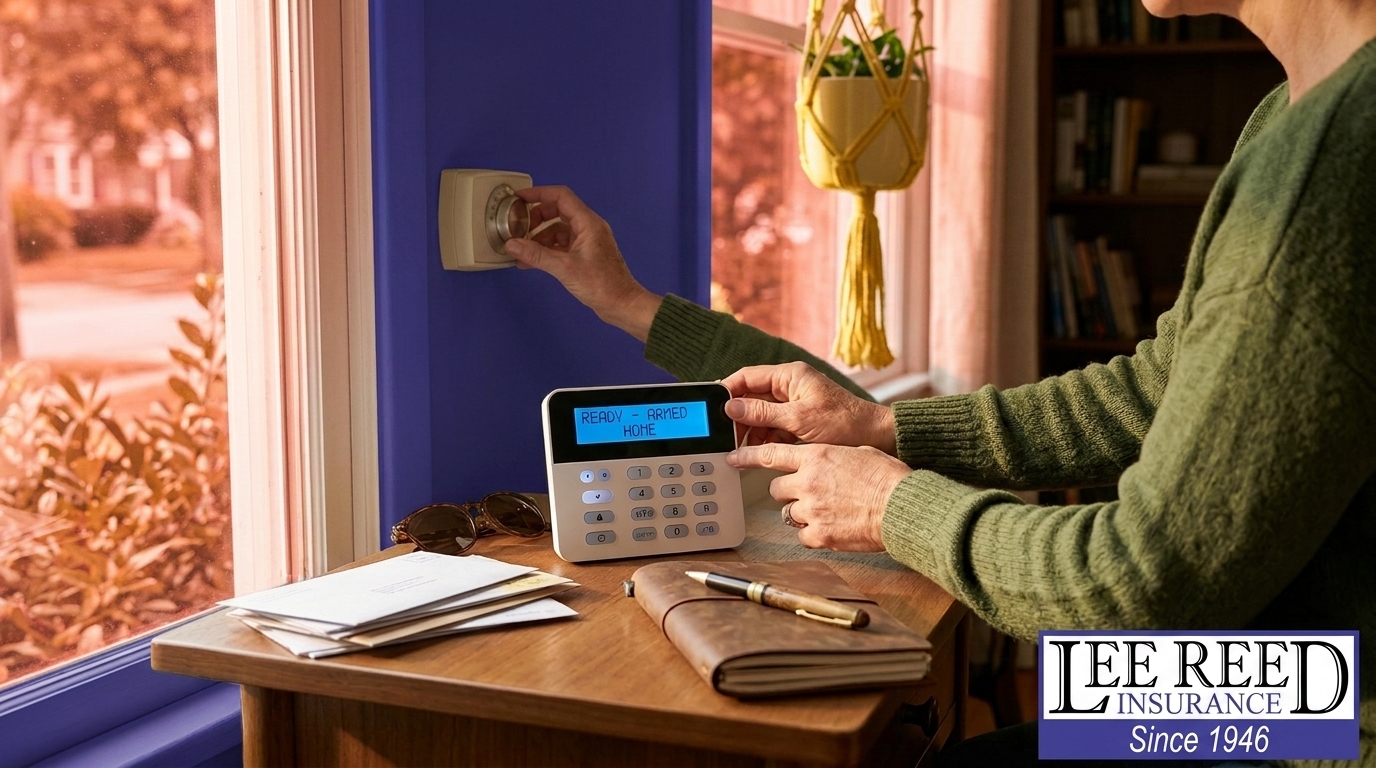
Travel should give you a chance to recharge, visit the people you care about, and enjoy a change of scenery. Before you leave, however, it is worth setting aside a few minutes to prepare your home for an empty house. A few practical steps can reduce common risks and help you travel with greater confidence.
At Lee Reed Insurance, we know that homeowners insurance is an important part of protecting your property, but prevention matters, too. Securing your home, addressing possible water issues, and asking someone you trust to check in can all help you avoid unwelcome surprises when you return.
Lock Every Door, Window, and Access Point
The first item on any travel checklist should be a complete check of your home’s entry points. The front door may be the most obvious place to start, but it is easy to miss a side entrance, garage door, gate, or first-floor window when you are focused on getting out the door.
Before departing, walk around the outside of your property and confirm that doors and accessible windows are locked. Make sure garage entrances and gates are secure as well. This brief walkthrough can eliminate easy access points and provide an added layer of home security while you are away.
Take Steps to Limit Water Damage
Break-ins are often the first concern homeowners have before a trip, yet a plumbing leak can create just as much disruption. A minor leak that continues unnoticed for several days can turn into significant water damage and an expensive repair project.
If you will be gone for more than a few days, consider turning off your main water supply before you leave. When that is not a practical option, disconnecting the water lines to appliances such as the washing machine, dishwasher, and ice maker can still help lower the chance of an unexpected leak.
A little attention to your plumbing before travel can help protect your home from a costly cleanup later. If you have questions about how your homeowners insurance may respond to certain types of water damage, the Lee Reed Insurance team can help you review your policy.
Create the Appearance That Someone Is Home
A home that stays dark night after night can suggest that no one is there. Making the property look occupied is a simple way to discourage unwanted attention without asking someone to stay at your home.
Set indoor lamps and porch lights on timers so they turn on and off at natural times in the evening. Timers are generally inexpensive, easy to use, and can make the house appear lived in while you are traveling.
This small precaution can offer meaningful reassurance when you are away from home. It also complements the other security measures you take before your trip.
Ask a Neighbor You Trust to Check In
Smart devices and security alerts can be helpful, but they cannot bring a package inside, roll a trash bin back from the curb, or take a closer look when something seems out of place. A trusted neighbor can provide the kind of in-person awareness technology cannot replace.
Let a dependable neighbor know the dates you will be away and ask whether they can keep an eye on your property. They may be able to collect deliveries, move bins after pickup, or spot concerns such as storm damage or an unexpected light left on.
Having someone nearby who knows you are traveling can be especially valuable if an issue develops. A quick check-in may help identify a problem before it becomes more serious.
Keep Mail and Deliveries From Accumulating
Packages sitting on a porch and mail overflowing from a mailbox can quickly make it clear that a house has been vacant. Before you leave, arrange for your mail to be held through the USPS Hold Mail service.
If you are expecting deliveries while you are gone, ask a friend or neighbor to pick them up and keep them until you return. Taking care of these visible details helps maintain the impression that someone is home.
It is a straightforward task, but it supports the overall security plan for your home while you travel. A property that looks attended to is less likely to attract unnecessary attention.
Unplug Nonessential Electronics and Appliances
One final step is to disconnect electronics and appliances that do not need to remain plugged in during your trip. This can help reduce electrical risks and gives you one less concern to carry with you.
Unplug countertop appliances, hair tools, chargers, portable heaters, and other nonessential items before you leave. Then complete one final walkthrough to make sure everything that should be powered down has been disconnected.
Adding this task to your departure routine can help you leave with greater peace of mind. It is a simple precaution that takes only a few moments.
A Safer Departure Starts With Preparation
Travel should be about enjoying time away, not worrying about what may be happening at home. By securing entry points, reducing the risk of leaks, using light timers, arranging for a neighbor to check in, managing deliveries, and unplugging unnecessary devices, you can take meaningful steps to protect your property.
Even the most thoughtful preparation cannot prevent every unexpected event. That is why it is important to understand the protection provided by your homeowners insurance policy. Lee Reed Insurance is here to help you review your coverage, answer questions, and make sure your home insurance fits your needs before your next trip.